Bayside · Bentleigh 3204
Restumping in Bentleigh
Bentleigh is a suburb in the middle of being rebuilt, and that shapes the restumping question more than the housing stock does. A great many of the interwar and post-war homes here are on blocks worth more than the house, which means the real question is often not just whether to restump, but whether the house has enough life ahead of it to justify the work.
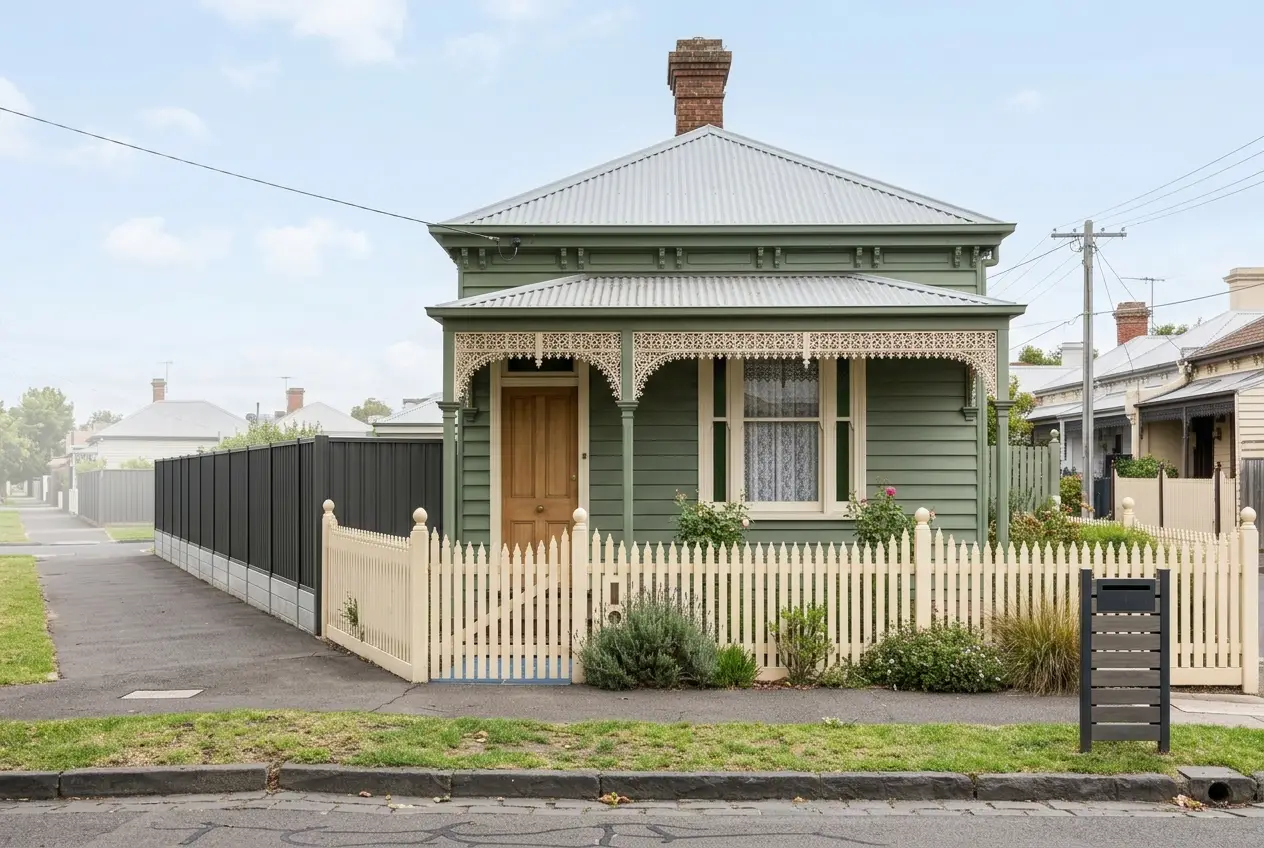
Bentleigh housing — what we are usually dealing with
Bentleigh's stock is predominantly interwar through post-war — Californian bungalows and Mediterranean-influenced homes from the 1920s and 1930s, then a heavy layer of 1940s to 1960s weatherboard and brick veneer built out through the post-war expansion. All of it has a suspended timber floor on stumps. The post-war houses are the ones we see most: modest rectangular footprints, 30 to 45 stumps, originally timber, with a proportion of early concrete stumps in the later builds. Those early concrete stumps are worth knowing about, because they fail differently — by settling into inadequate footings or cracking as internal reinforcement corrodes, rather than by rotting.
The ground under Bentleigh
Bentleigh sits at the inland edge of the Brighton Group sands, and the ground here is typically sand over clay at depth — well-drained near the surface with heavier material beneath. That layered profile is why footing depth matters: a stump founded in the loose sand near the surface has far less bearing capacity than one taken down to the firmer material, and shallow original footings in loose sand are a common reason for uniform, gradual settlement across a whole Bentleigh house rather than the localised failures you see with rot.
What this means for your job
The practical Bentleigh advantage is access. Post-war blocks here are wide, most have a driveway down one side, and the subfloor under a post-war house is workable. That means machine digging and mechanical spoil removal, which keeps the per-stump rate meaningfully below inner-west equivalents. The practical Bentleigh question is timing: if the house is likely to be developed within a few years, a full restump is money that will be demolished. If it is a long-term home or you are selling and want the house presentable and the paperwork clean, restumping is the right call — and a completed restump with a permit and final certificate is a genuine asset at sale.
What we see in Bentleigh homes
- A gradual, fairly even settlement across the whole house rather than one dropped corner
- Early concrete stumps showing rust staining and flaking at the top
- Doors throughout the house catching slightly rather than one or two sticking badly
- Cracked cornices that reappear after every repaint
Restumping costs in Bentleigh
$12,000 – $21,000 for a full restumpBentleigh sits at the affordable end of our range because the houses are modestly sized and the access is good — most jobs here are machine-dug rather than hand-dug, which is the single biggest cost lever in restumping. Where the number climbs is a larger interwar footprint, a rear extension included in the scope, or footings taken deeper through loose surface sand to reach competent material.
Indicative range only, based on typical jobs in this area. Access, soil conditions and the extent of movement change the number — a fixed price follows an on-site inspection.
The right service for Bentleigh
Bentleigh homes of this era have suspended timber floors on individual stumps, so restumping and reblocking is the service that applies — replacing failed stumps and re-levelling the floors above them. Read what the full job involves, including permits and the lifting process, on our restumping page.
Restumping in Bentleigh — your questions
Is it worth restumping a Bentleigh house that might be knocked down?
Often not, and we will say so. If the block is likely to be developed within a few years, a $15,000 restump is capital that ends up in a skip. What is usually worth doing instead is making the house safe and habitable — targeted replacement of the genuinely failed stumps, which might be $2,000 to $5,000 — and leaving the rest. The calculation changes entirely if you are selling to an owner-occupier rather than a developer, because a completed restump with a permit and final certificate removes a significant objection from the sale.
What's the difference between early concrete stumps and modern ones?
Early concrete stumps, common in Bentleigh's post-war housing, were often cast with minimal cover over the reinforcement and set in shallow or absent footings. They fail two ways: the footing settles under load, or the internal steel corrodes, expands and splits the stump from the inside — which is what the rust staining and flaking near the top indicates. Modern concrete stumps are cast to a proper mix and cover and set in engineered footings sized for the load and the soil, and they are effectively permanent. The material is the same; the engineering is not.
Does the sandy soil in Bentleigh affect how deep the footings go?
Yes, and it is the main reason depths vary here. Loose surface sand has limited bearing capacity, so a footing has to reach either denser sand or the clay beneath it to carry the load properly. Original footings were frequently too shallow for that, which is why Bentleigh houses often show gradual, fairly even settlement rather than one dropped corner. The new footings are sized and founded on what is actually there, which is established when the first holes go in rather than assumed from a rule of thumb.
We also work near Bentleigh
Worth reading next: 7 signs your house needs restumping