Eastern Suburbs · Blackburn 3130
Restumping in Blackburn
Blackburn's defining feature is also its main foundation problem: the trees. The large, heavily vegetated blocks that make the suburb what it is put mature eucalypts within root distance of almost every house, and on clay soil a tree that size is a moisture pump that runs all summer.
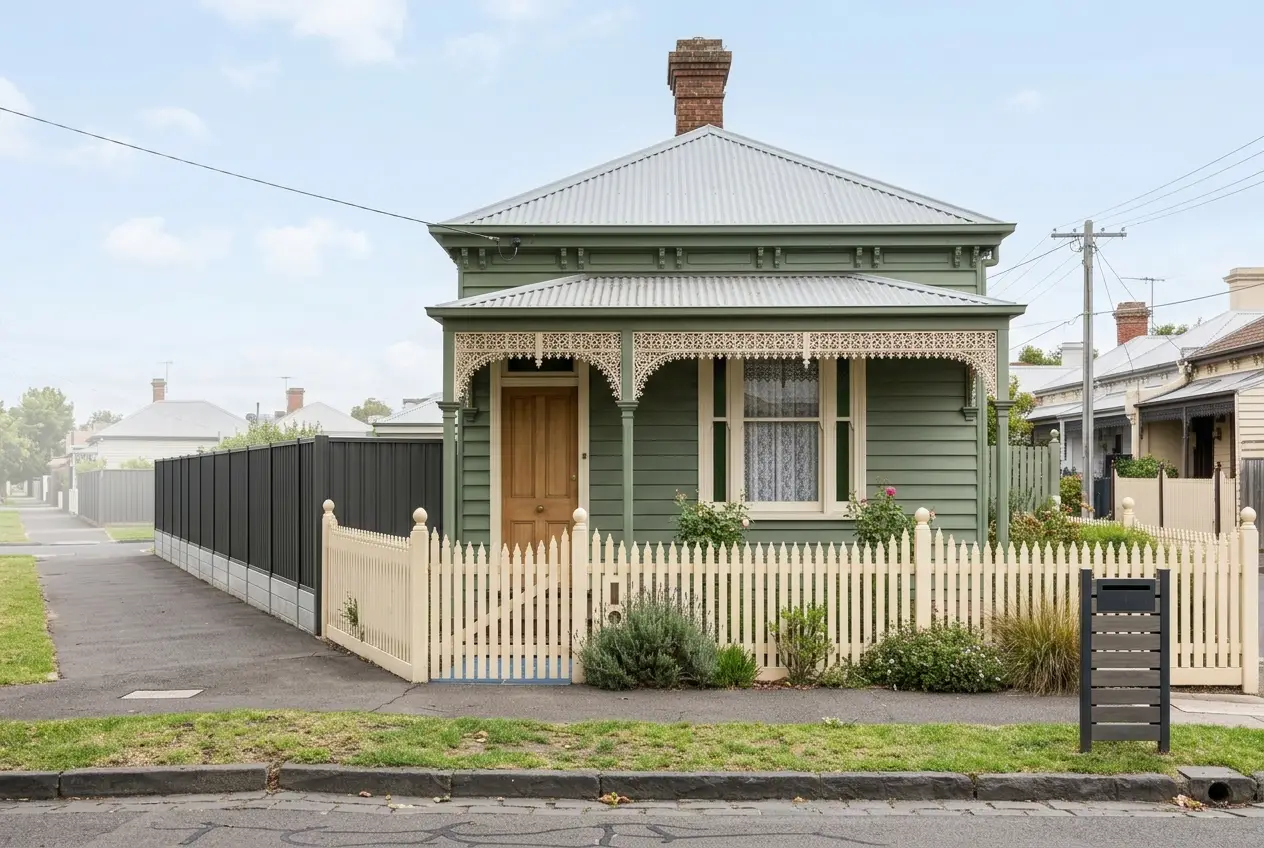
Blackburn housing — what we are usually dealing with
Blackburn's stock is predominantly post-war — 1950s and 1960s weatherboard and brick veneer on suspended timber floors — with an older layer of interwar and Federation homes around Blackburn village and the lake. Footprints are modest to middling, typically 30 to 50 stumps, originally timber with early concrete appearing in the later builds. The blocks are large by Melbourne standards, which is why so much of the original housing survives: there has been room to extend rather than a pressure to demolish, and most Blackburn houses we work on carry at least one rear addition on newer stumps.
The ground under Blackburn
Blackburn sits on Silurian siltstone and mudstone weathering into a clayey silt of moderate reactivity. On its own that soil is well-behaved. What changes the picture is the vegetation: Blackburn's large blocks and conservation-minded planting culture mean mature eucalypts, oaks and elms sitting close to houses, and a mature tree can extract a substantial volume of water from clay within a radius roughly equal to its height. Where that zone overlaps a corner of a house, the clay shrinks through summer and that corner drops — then partly recovers through winter, which is why the movement here so often reads as seasonal rather than progressive.
What this means for your job
The Blackburn job usually needs two answers, not one. The stumps are replaced where they have genuinely failed, but if a tree is driving seasonal movement, new stumps in the same shallow footings will move with the ground exactly as the old ones did. On tree-affected corners the correct response is deeper footings founded below the zone of seasonal moisture change, and often root management or a root barrier alongside. Removing the tree outright is rarely the first recommendation — the soil rehydrates and swells back, moving the house the other way — and many Blackburn trees are protected under Whitehorse tree controls in any case.
What we see in Blackburn homes
- One corner of the house dropping in late summer and recovering through winter
- Cracking that opens in February and closes in August
- The affected corner being the one nearest the largest tree
- Soil visibly shrinking away from the footings or the path at the end of summer
Restumping costs in Blackburn
$11,000 – $20,000 for a full restumpBlackburn's large blocks and good side access mean machine-dug footings on most jobs, which keeps the per-stump rate down. What adds cost here is depth on tree-affected corners — founding below the seasonal moisture zone rather than matching the original shallow footings is what stops the movement repeating, and it is worth paying for. Root barriers, where recommended, are a separate and comparatively small item.
Indicative range only, based on typical jobs in this area. Access, soil conditions and the extent of movement change the number — a fixed price follows an on-site inspection.
The right service for Blackburn
Blackburn homes of this era have suspended timber floors on individual stumps, so restumping and reblocking is the service that applies — replacing failed stumps and re-levelling the floors above them. Read what the full job involves, including permits and the lifting process, on our restumping page.
Restumping in Blackburn — your questions
Do I have to remove the tree to fix the movement?
Usually not, and removing it can create a different problem. A mature tree has been drawing moisture out of the clay for decades, and the soil beneath and around it has equilibrated to that. Take the tree away and the clay rehydrates and swells, which can lift the ground and move the house in the opposite direction — sometimes more damagingly than the drying did. The better approach on most Blackburn sites is to found the affected footings below the zone of seasonal moisture change and, where appropriate, install a root barrier. Many Blackburn trees are protected under Whitehorse controls regardless, so removal is often not a free choice.
Why do my cracks open in summer and close in winter?
Because the ground is moving, not the stumps. Clay shrinks as it dries through summer and swells as it rehydrates through winter, and anything founded shallowly in it goes along for the ride. Stump failure produces the opposite pattern — a one-way drop that never recovers. Seasonal cracking is not automatically harmless: repeated cycling fatigues plaster and brickwork and gradually widens the cracks year on year. But it does mean the fix is about moisture and footing depth rather than simply swapping stumps.
Will new stumps stop tree-driven movement?
Only if the footings go deeper than the original ones did. New concrete stumps set in the same shallow holes will move with the clay exactly as the timber ones did, because the problem was never the stump — it was the depth. On a tree-affected corner the footing needs to reach below the zone where seasonal moisture change occurs, which on Blackburn clay near a large tree can be considerably deeper than the standard. That is a design decision made at inspection, and it is the difference between fixing the house and re-levelling it every fifteen years.
We also work near Blackburn
Worth reading next: 7 signs your house needs restumping