West · Sunshine 3020
Restumping in Sunshine
Sunshine is the suburb where our two services meet. The housing is old enough to need restumping, but the ground underneath is Melbourne's western basalt clay — properly reactive. That combination means a Sunshine house can have both failed stumps at the front and clay-driven movement under a brick extension at the back, and fixing only one of them fixes nothing.
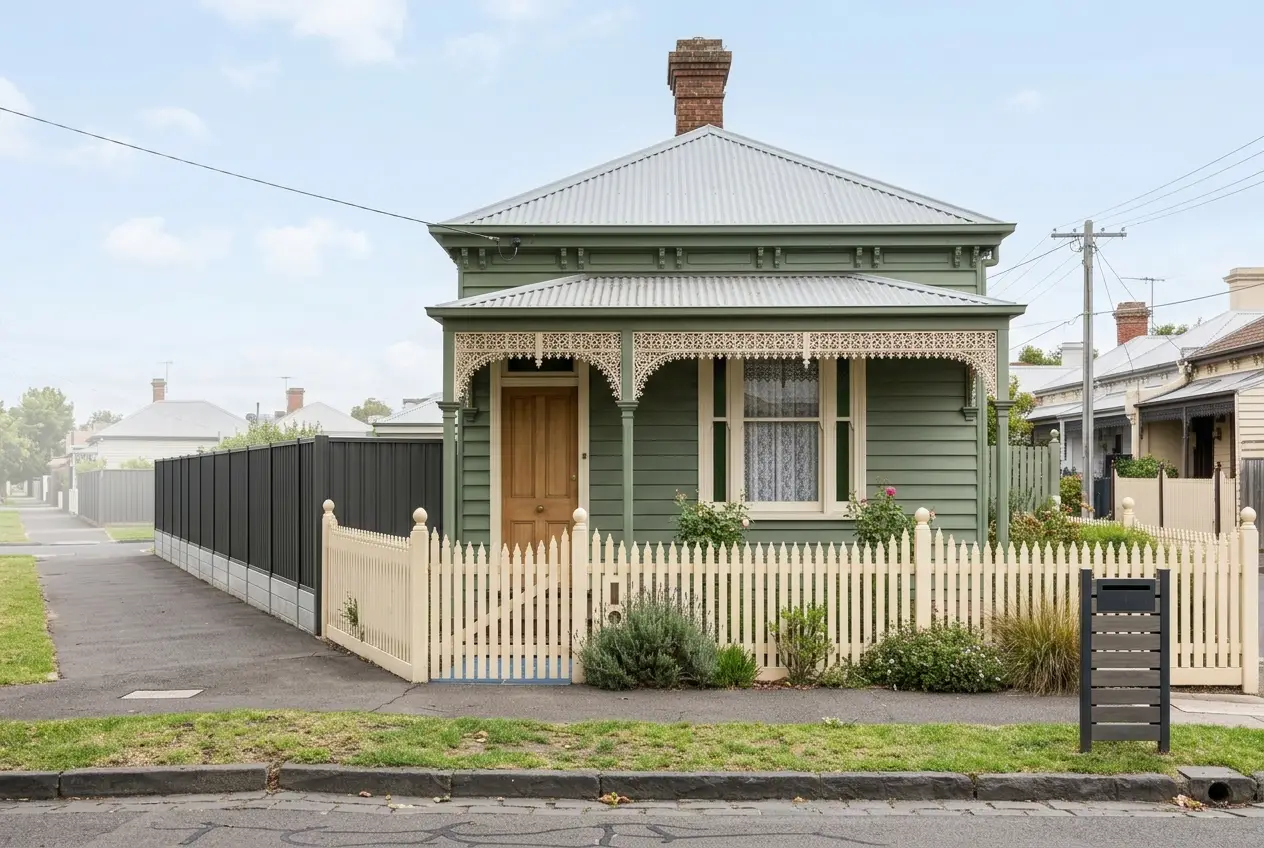
Sunshine housing — what we are usually dealing with
Sunshine's stock is largely post-war: weatherboard and timber-floored homes from the 1940s through the 1960s built for the factory workforce around the old Sunshine Harvester works, plus a solid body of former Housing Commission housing. Most are on early concrete stumps or a mix of concrete and timber. Many have since had a solid brick or brick-veneer extension added on a concrete slab — and there is the classic Sunshine problem: a timber-framed, stump-supported front section and a slab-on-ground rear section, on reactive clay, moving independently of each other through every season.
The ground under Sunshine
This is basalt-derived clay from the Newer Volcanics plains that run west from Sunshine out through Deer Park and Melton. It is significantly more reactive than the inner-west river flats — it swells noticeably when wet and shrinks when dry, and that vertical movement is what shallow footings cannot tolerate. Site classifications across the area commonly fall in the moderately to highly reactive range under AS 2870, which is why houses here move seasonally in a way that Footscray houses generally do not.
What this means for your job
Getting the diagnosis right matters more in Sunshine than in any other Bucket A suburb. If the movement is one-directional and confined to the timber-floored section, it is a restump. If it is seasonal, involves the slab section, or shows as stair-step cracking in brickwork, the ground is the problem and underpinning may be the correct fix — see our underpinning page for what that involves. Plenty of Sunshine homes need a bit of both. On the upside, blocks here are generous and machine access is almost always available, so the labour component is at the cheaper end.
What we see in Sunshine homes
- The timber-floored front of the house and a brick rear extension moving in opposite directions
- Cracking that opens through summer and closes again after a wet winter
- Stair-step cracks following the mortar joints in brickwork, which point to ground movement rather than stumps
- Sloping floors in the original section combined with a level but cracked slab section
Restumping costs in Sunshine
$11,000 – $18,000 for a full restumpMachine access keeps Sunshine restumping costs at the lower end of the Melbourne range. Where reactive clay is also driving movement in a slab section, underpinning is priced separately — typically $1,500 to $3,000 per pier — and an inspection should tell you clearly which problem you actually have.
Indicative range only, based on typical jobs in this area. Access, soil conditions and the extent of movement change the number — a fixed price follows an on-site inspection.
The right service for Sunshine
Sunshine homes of this era have suspended timber floors on individual stumps, so restumping and reblocking is the service that applies — replacing failed stumps and re-levelling the floors above them. Read what the full job involves, including permits and the lifting process, on our restumping page.
Restumping in Sunshine — your questions
Do I need restumping or underpinning in Sunshine?
It depends on which part of the house is moving and how. Restumping addresses failed stumps under a timber-floored house — the movement is one-way, downward, and it does not reverse with the seasons. Underpinning addresses the ground itself, and is what you need when reactive clay is lifting and dropping footings or a slab. The give-away for clay is seasonal behaviour: cracks that widen through a dry summer and close after a wet winter. In Sunshine, houses with both a stumped original section and a slab extension not uncommonly need both, and an inspection should tell you the split before you commit.
Why does my Sunshine house move with the seasons?
Because of the soil. Sunshine sits on reactive basalt clay from Melbourne's western volcanic plains. That clay absorbs water and swells in winter, then dries and shrinks in summer, and the ground surface genuinely rises and falls through the year. Footings founded in the top layer of that clay ride up and down with it. Deeper footings, taken below the zone where moisture changes, do not — which is the whole principle behind underpinning on reactive soil.
My Sunshine home is ex-Housing Commission — does that change anything?
Practically, in a useful way. Ex-Commission homes were built to a small number of standard designs, so the subfloor layout, stump spacing and construction are consistent and predictable, which makes both quoting and the work itself more straightforward. They typically used early concrete stumps, so the failure to look for is settlement and concrete deterioration rather than timber rot. Their generous blocks also mean machine access, which keeps the price down.
We also work near Sunshine
Worth reading next: 7 signs your house needs restumping