Inner East · Camberwell 3124
Restumping in Camberwell
Camberwell is California bungalow country, and bungalows are the easiest period house in Melbourne to restump properly. Wide blocks, real side access, generous subfloor height and a simple rectangular footprint mean a machine can do most of the digging — which is why a Camberwell restump usually costs less per stump than an inner-west cottage half its size.
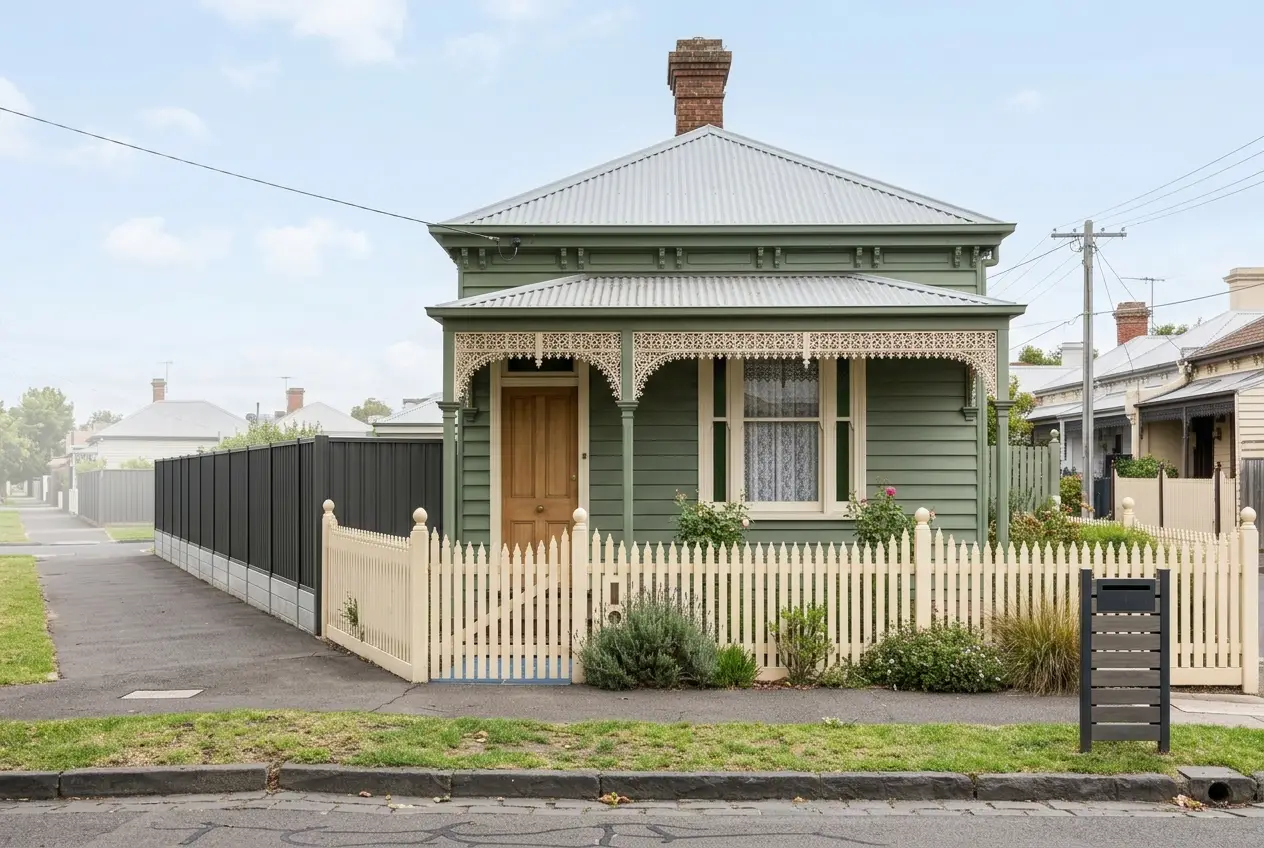
Camberwell housing — what we are usually dealing with
The suburb's defining stock is the interwar California bungalow, built in volume through the 1920s and 1930s, sitting alongside Edwardian and Federation homes from the decade before and pockets of Victorian closer to Camberwell Junction. These are timber-framed with a suspended floor on stumps, whether the external skin is weatherboard or brick veneer — and the brick ones catch people out, because a solid-looking brick bungalow with a timber floor is a restumping house, not an underpinning house. Original stumps are timber, with early concrete under the front porch where it was exposed to weather.
The ground under Camberwell
Camberwell sits on the same Silurian siltstone and mudstone as the rest of the inner east, weathering to a clayey silt of moderate reactivity. It is not the aggressively reactive material of the western basalt plain, and slab heave is not the failure mode here. What Camberwell does have in abundance is mature street and garden trees — the plane trees, elms and established eucalypts that give the suburb its character also draw significant moisture out of clay through summer, and a large tree within striking distance of a corner of the house is a genuine contributor to localised settlement.
What this means for your job
The good news for Camberwell homeowners is the access. Most bungalows sit on blocks wide enough for a driveway down one side, and the subfloor under a bungalow is typically high enough to work in comfortably. That means machine-dug footings and mechanical spoil removal rather than a wheelbarrow through the hallway, and it is worth several thousand dollars on a full job. Where Camberwell gets more expensive is the finishes: original leadlight, pressed metal ceilings and ornate cornices are less forgiving of a fast lift than modern plaster, so the house should come up slowly over several days.
What we see in Camberwell homes
- A dip through the centre of the main living room where an internal stump has settled
- Gaps opening between skirting and floor along one external wall
- Cracking radiating from the corner nearest a large established tree
- Original leadlight windows that have gone out of square and no longer latch cleanly
Restumping costs in Camberwell
$14,000 – $26,000 for a full restumpCamberwell bungalows carry more stumps than an inner-west cottage but cost less per stump, because machine access is available on most blocks and the subfloor is workable. The variables that move the number here are footprint, whether a rear extension needs to be included, and how much care the original plaster and leadlight demand during the lift — a slower, more incremental raise costs more in days on site and is usually worth it.
Indicative range only, based on typical jobs in this area. Access, soil conditions and the extent of movement change the number — a fixed price follows an on-site inspection.
The right service for Camberwell
Camberwell homes of this era have suspended timber floors on individual stumps, so restumping and reblocking is the service that applies — replacing failed stumps and re-levelling the floors above them. Read what the full job involves, including permits and the lifting process, on our restumping page.
Restumping in Camberwell — your questions
My Camberwell house is brick — can it still be restumped?
If it is brick veneer over a timber frame with a suspended timber floor, yes, and a lot of Camberwell bungalows are exactly that. The brickwork is a non-structural skin; the house is carried by a timber frame sitting on stumps, and those stumps can be replaced. If it is solid double brick with a concrete floor, it has no stumps and movement there is a footing problem addressed by underpinning instead. What determines the answer is the floor structure, not what the walls look like from the street, which is why an inspection settles it in ten minutes.
Could the tree in my Camberwell front garden be causing the movement?
It can contribute, particularly on the clay soils here and particularly through a dry summer. A mature tree draws a large volume of water out of the soil within roughly its canopy radius, and where that zone overlaps a corner of the house, the clay shrinks and that corner settles. The important caution is that removing the tree is not automatically the fix — the soil then rehydrates and can swell back, moving the house again in the opposite direction. Removal should be a considered decision alongside the structural work, not a reflex, and many Camberwell trees are protected under local tree controls anyway.
Will restumping damage my original cornices and leadlight?
Some plaster cracking is normal on any re-level and should be expected, but the risk to ornate original detail is managed by how the house is lifted rather than whether it is lifted. Raising in small increments over several days, rather than in one or two large moves, is what protects pressed metal ceilings, ornate cornices and leadlight. It costs more in site days. On a Camberwell bungalow with intact original detail it is the right trade, and we would rather quote the slower method than repair irreplaceable leadlight afterwards.
We also work near Camberwell
Worth reading next: 7 signs your house needs restumping