Bayside · Brighton 3186
Restumping in Brighton
Brighton sits on sand, and sand changes the whole diagnosis. The reactive clay story that drives foundation work across most of Melbourne barely applies here — what does apply is settlement into loose sand, washout from leaking pipes, and a termite risk that is considerably higher than the rot risk. Getting that distinction right is most of the job.
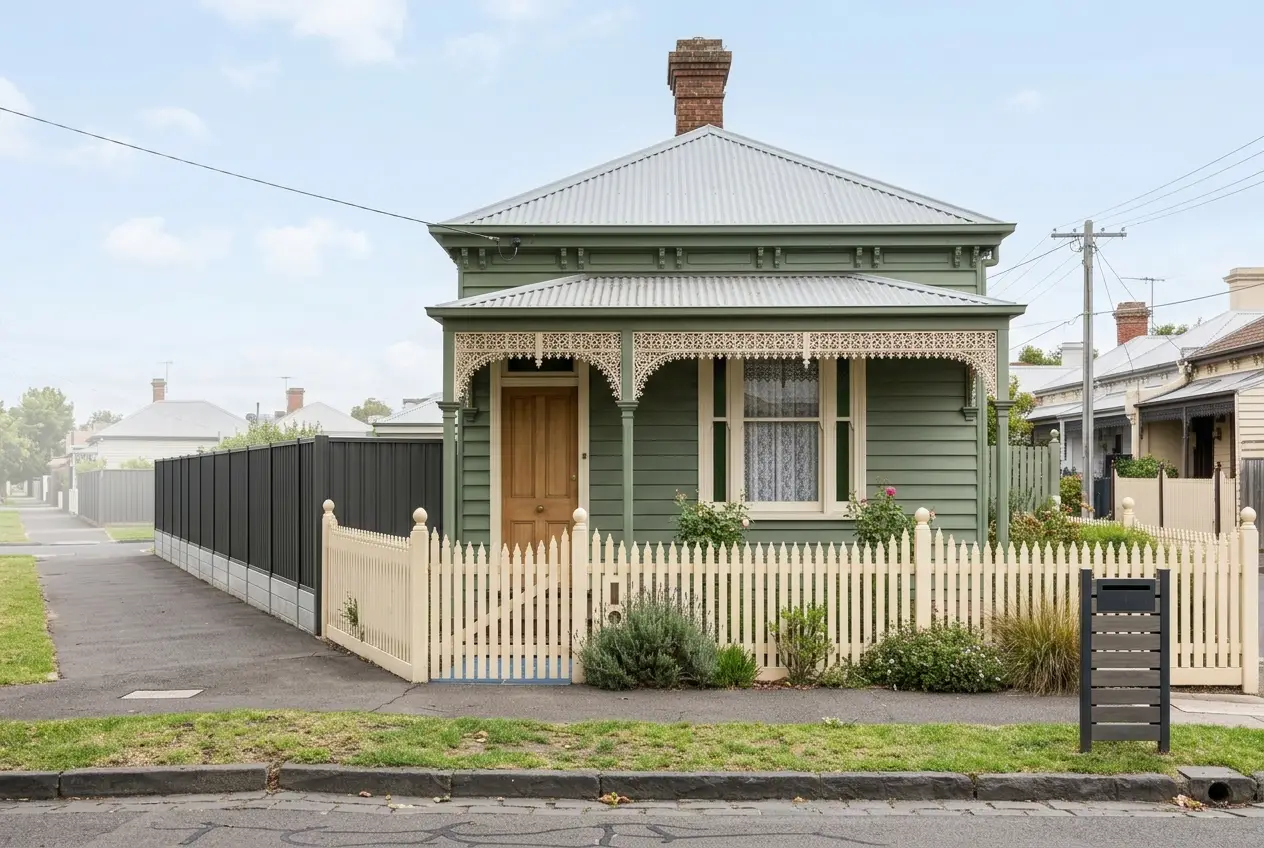
Brighton housing — what we are usually dealing with
Brighton's period stock runs from grand Victorian and Federation homes through substantial interwar houses, alongside a great deal of modern rebuild. The period homes have large footprints — this is one of the highest average stump counts of any suburb we work in — with deep floor plans, return verandahs and frequently a cellar or partial basement under one section, which changes how the load is carried. Original stumps are timber. In the homes closest to the bay you also find early concrete stumps used where salt-laden air and exposure were a known problem even at the time.
The ground under Brighton
Brighton is founded on the Brighton Group sands — the Red Bluff Sands that give the cliffs their colour. This is well-drained, low-reactivity ground, and the practical consequences are specific. Clay-driven seasonal movement and slab heave are largely not the failure mode here. Timber stumps in well-drained sand often outlast their equivalents in the damp inner west by decades. But loose sand compacts under sustained load, and it is highly susceptible to washout: a leaking sewer or stormwater line beneath a Brighton house can carry fine sand away and open a void far faster than the same leak would in clay.
What this means for your job
Two things drive the Brighton conversation. The first is that a localised drop should trigger a drainage investigation before a structural quote — in sand, a sudden or accelerating settlement is a leak until proven otherwise, and a CCTV drain camera is cheap relative to the cost of underpinning a washout that then continues. The second is termites. Well-drained sand suppresses the rot that kills stumps in the inner west, which means Brighton's timber stumps often look sound while being hollowed out. Any subfloor inspection here should be a termite inspection at the same time.
What we see in Brighton homes
- A localised drop in one area rather than a general fall — the signature of a washout
- Settlement that has visibly accelerated over a year or two rather than creeping for decades
- Timber stumps that sound hollow when tapped but show no surface rot
- Damp or persistently green ground under or beside the house through a dry summer
Restumping costs in Brighton
$18,000 – $34,000 for a full restumpBrighton's cost is driven almost entirely by footprint — period homes here carry some of the highest stump counts in Melbourne, and a large Victorian with a cellar can exceed the top of this range. Access is generally good on the wider blocks. Where a washout has been found, allow for the drainage rectification separately: fixing the leak is not optional, because a restump over an active leak will settle again into the same void.
Indicative range only, based on typical jobs in this area. Access, soil conditions and the extent of movement change the number — a fixed price follows an on-site inspection.
The right service for Brighton
Brighton homes of this era have suspended timber floors on individual stumps, so restumping and reblocking is the service that applies — replacing failed stumps and re-levelling the floors above them. Read what the full job involves, including permits and the lifting process, on our restumping page.
Restumping in Brighton — your questions
Does Brighton's sandy soil mean my house won't have foundation problems?
It means it will have different ones. Sand is well-drained and low-reactivity, so the seasonal clay swelling and shrinking that drives most Melbourne foundation work does not apply here, and stumps often last longer. What sand does badly is resist washout — water escaping from a cracked sewer or stormwater line carries the fine particles away and leaves a void under the footing, and that produces localised, accelerating settlement rather than the slow general drift you see in clay. Loose or poorly compacted sand also consolidates under sustained load. Different mechanism, same crack in the wall.
Why do you recommend a drain camera before quoting in Brighton?
Because in sandy ground a leak is the single most likely cause of localised settlement, and it is the one cause you can actually remove. If a cracked line is washing sand out from under a corner of the house, replacing the stumps over that void just gives the leak something new to undermine. A CCTV inspection of the sewer and stormwater lines typically costs $300 to $700 and either rules the leak out or saves you from paying for the same structural work twice. It is the cheapest step in the whole process and the one most often skipped.
Should I be worried about termites rather than rot in Brighton?
Both, but termites deserve more attention here than in the damp inner west. Rot needs sustained moisture at ground line, and Brighton's well-drained sand does not provide much of it — so stumps that would have rotted through in Footscray can still be standing here. Termites are indifferent to good drainage, and a stump they have been working on can look entirely sound from the outside while being largely hollow. Any subfloor inspection on a Brighton period home should include a termite assessment, and if the stumps are original timber, assume nothing from their appearance.
We also work near Brighton
Worth reading next: 7 signs your house needs restumping