Inner West · Williamstown 3016
Restumping in Williamstown
Williamstown is old enough to break the usual rules. Parts of it were built in the 1850s and 60s, before timber stumps were standard, so a proportion of the oldest cottages sit on bluestone or early brick footings rather than stumps at all. When one of those houses starts moving, the answer is underpinning, not restumping — and finding that out at quoting stage rather than halfway through matters a great deal.
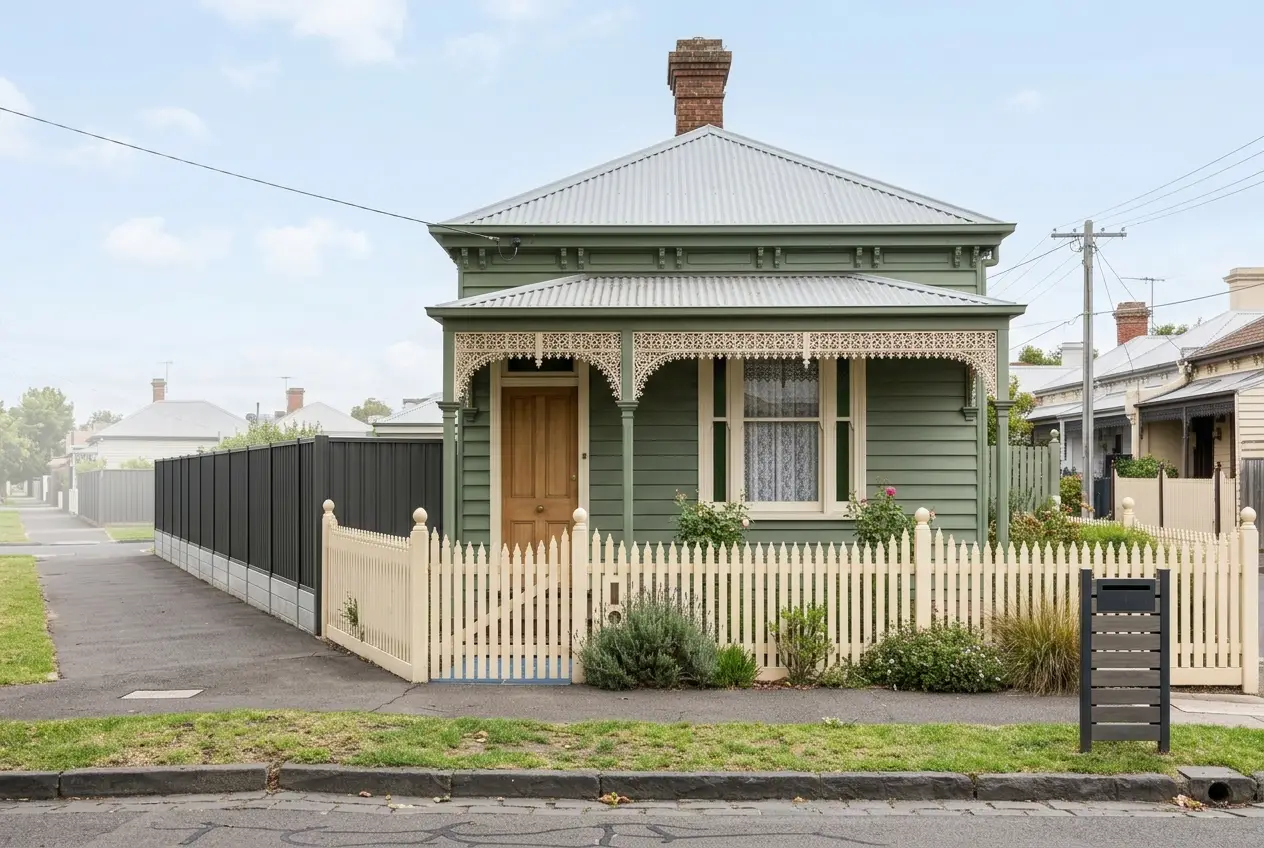
Williamstown housing — what we are usually dealing with
The bulk of the suburb is Victorian and Edwardian: single and double-fronted weatherboard cottages, brick villas, and a substantial body of workers' housing built for the port and the railway workshops. Most of it is suspended timber floor over original red gum stumps now well past a hundred years old. Overlaying all of it is one of Melbourne's most extensive heritage streetscapes, which shapes what can be done to the outside of these houses even though the stumps themselves are invisible from the street.
The ground under Williamstown
The foreshore edge of Williamstown sits on coastal sands and silty deposits over clay, and the water table near the bay is high. That combination is hard on timber stumps in a specific way. Rather than the seasonal wet-and-dry cycle that rots stumps elsewhere in the inner west, low-lying Williamstown stumps can sit damp more or less permanently, and stump holes dug near the foreshore sometimes take water before they reach depth. Further inland toward Newport the profile firms up into more conventional clay.
What this means for your job
Three Williamstown-specific things. Access through the older precincts is tight, with narrow frontages and shared boundaries, so hand excavation is common and priced accordingly. The heritage overlay across most of the older streets means any change to external floor height, verandah level or front facade is worth checking with Hobsons Bay before work rather than after. And on the lowest-lying streets a competent quote will say what happens if excavation strikes water, because here that is a real possibility rather than a hypothetical, and it changes the footing method.
What we see in Williamstown homes
- Soft or crumbling timber at the base of stumps that look sound higher up
- Persistent damp, a musty subfloor smell, or standing water under the house even in dry weather
- Floors dropping away toward the side of the house nearest the bay
- Rising damp marks on internal walls alongside floor movement, which often share a cause
Restumping costs in Williamstown
$14,000 – $23,000 for a full restumpWilliamstown sits at the upper end for inner-west restumping. Narrow frontages mean hand excavation on most jobs, heritage constraints can add process, and a high water table on the low-lying streets sometimes requires a different footing approach. Houses on genuine bluestone footings are a separate job, priced as underpinning rather than restumping.
Indicative range only, based on typical jobs in this area. Access, soil conditions and the extent of movement change the number — a fixed price follows an on-site inspection.
The right service for Williamstown
Williamstown homes of this era have suspended timber floors on individual stumps, so restumping and reblocking is the service that applies — replacing failed stumps and re-levelling the floors above them. Read what the full job involves, including permits and the lifting process, on our restumping page.
Restumping in Williamstown — your questions
How do I know if my house is on stumps or bluestone footings?
Look under it. If there is a subfloor with individual posts holding up bearers, that is stumps. If the perimeter is continuous masonry — bluestone or early brick — with the floor framing bearing onto it, that is a footing wall, and the repair is underpinning rather than restumping. Plenty of Williamstown houses are a mix, with a masonry perimeter and stumps carrying the internal floor. That mix is common enough here that any quote should say explicitly which parts of your house it is pricing and by which method.
The subfloor is always damp. Is that what is causing the movement?
It is usually causing the rot, which then causes the movement. On the low-lying Williamstown streets the water table sits close enough to the surface that subfloors never really dry out, and a red gum stump kept permanently damp at ground level fails faster than one that dries each summer. Restumping without addressing the moisture puts new material into the same wet ground, so subfloor ventilation and drainage should be part of the conversation rather than an afterthought.
Does the heritage overlay affect restumping?
Not usually, because the work happens under the floor and is invisible from the street. It becomes relevant when re-levelling changes something you can see — the height of the floor relative to the front verandah, the fall of a front path, the line of the facade. Hobsons Bay's overlay covers most of the older precincts, so if your house has dropped noticeably and you want it returned to its original level, ask the question before work starts rather than explaining it afterwards.
We also work near Williamstown
Worth reading next: 7 signs your house needs restumping